


In the bustling corridors and colorful classrooms of a play school, a silent revolution is taking place—one that is sowing the seeds of peace in the hearts and minds of our youngest learners. In these formative years, children are not just discovering the alphabet or learning to count; they are also absorbing fundamental lessons about empathy, kindness, and cooperation that will shape their worldview for years to come.
The play school environment is uniquely positioned to foster a culture of peace and understanding among children. Through a blend of structured activities, free play, and guided interactions, educators can create a nurturing space where children learn to respect and appreciate one another’s differences.
Central to this endeavor is the cultivation of empathy—the ability to understand and share the feelings of others. Play-based activities such as role-playing, storytelling, and collaborative games provide rich opportunities for children to step into each other’s shoes, developing a deeper understanding of diverse perspectives and experiences.
Moreover, the play school setting encourages collaboration and teamwork, essential skills for building harmonious relationships in the future. Whether working together to build a block tower or taking turns on the swing, children learn the value of cooperation and mutual support, laying the groundwork for a more inclusive and compassionate society.
In addition to fostering interpersonal skills, play school educators also play a vital role in nurturing children’s emotional intelligence. By helping children identify and express their feelings in healthy ways, educators empower them to navigate conflicts peacefully and develop resilience in the face of adversity.
Furthermore, the play school curriculum can be enriched with age-appropriate lessons on diversity, inclusion, and global citizenship. Through stories, songs, and art projects, children can learn about different cultures, languages, and traditions, fostering a sense of curiosity and respect for the world’s rich tapestry of humanity.
But perhaps the most profound impact of the play school environment lies in the relationships forged between children and their caregivers. Through genuine connections based on trust, warmth, and understanding, educators become powerful role models for empathy and compassion, shaping children’s attitudes and behaviors in profound ways.
As parents and educators, we have a collective responsibility to ensure that the play school experience is one that cultivates peace and harmony in young hearts. By embracing the principles of empathy, cooperation, and inclusion, we can create a generation of peacemakers who will carry forward these values into their future endeavors.
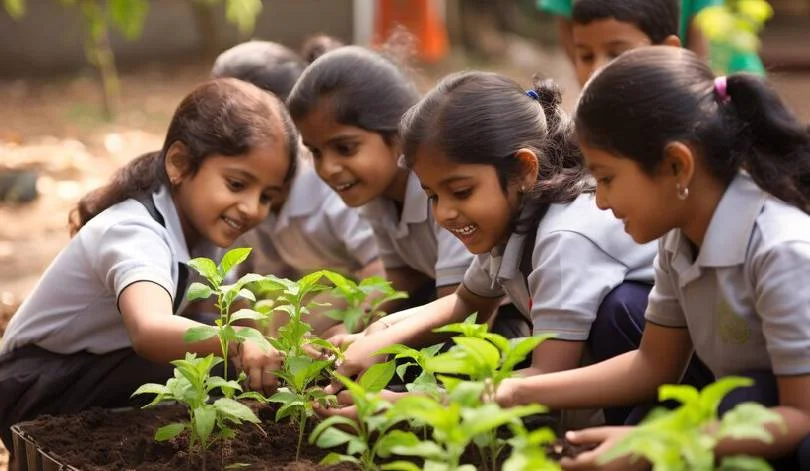
In the end, the play school classroom is more than just a place of learning—it is a sanctuary where seeds of peace are planted, watered, and nurtured with care. And as we witness the tender shoots of understanding and kindness take root in the hearts of our children, we can rest assured that the future holds the promise of a more peaceful and compassionate world.